

Rumors about a brand closing can spread fast — especially when a lawsuit surfaces or customer complaints start piling up online. If you’ve been searching about Head Kandy’s status, you’re probably asking a simple question: is this company still running, and is it safe to buy from them right now?
This article gives you a clear, fact-based answer. We’ll cover which Head Kandy entity people are actually asking about, what the current business status looks like, what the ongoing lawsuit really means, and what practical steps you should take before spending money with any brand you’re unsure about.
Which Head Kandy Are We Talking About?
Before drawing any conclusions, it’s worth knowing that three separate businesses share a version of the “Head Kandy” name. Confusing them is easy, but the distinctions matter a lot.
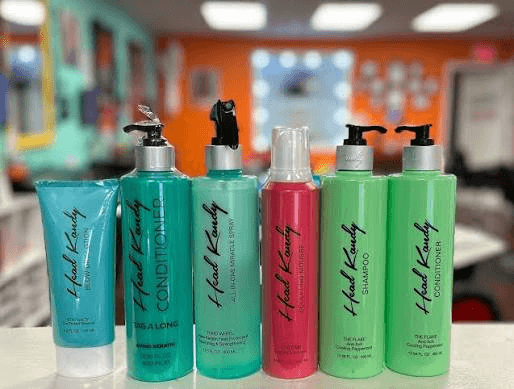
The company most people are asking about is the US-based Head Kandy beauty brand, headquartered at 131 Crane Lane, Salida, Colorado. This is the brand known for hair care tools, serums, cleansers, eyelashes, and personal care products sold directly to consumers online.
Then there’s Head Kandy Limited, a UK company registered at First Floor, 16 Stokesley Road, Marton-In-Cleveland, Middlesbrough, England. This is a separate hairdressing business that operates under the website headkandyhairdressing.com. It has nothing to do with the US brand.
Finally, Head Kandy Realty, LLC is a Florida real estate company based in Hollywood, FL. It shares the name but operates in an entirely different industry.
Legal or business news about one of these entities does not apply to the others. If you’ve read something about “Head Kandy” in legal trouble, make sure you know which company the article is actually referring to.
Head Kandy’s Current Business Status
As of now, there is no official filing, bankruptcy announcement, or dissolution record confirming that the US Head Kandy has closed. That’s the short answer.
The company maintains an active BBB profile that lists a phone number, email address, and physical location in Salida, Colorado. Business intelligence platforms ZoomInfo and Tracxn both show Head Kandy as an active, internet-first brand selling directly to consumers. Its website, headkandypro.com, continues to list products and pricing.
None of this guarantees the company is in strong financial shape. But it does mean the “going out of business” claim isn’t backed by any verified official source right now. The honest assessment is this: operations appear to be active, but the situation is worth monitoring if you plan to make a significant purchase.
What “Going Out of Business” Actually Means
It helps to understand the difference between a few terms that people often use interchangeably.
- Formal dissolution or liquidation — the company legally closes and stops trading entirely.
- Bankruptcy or administration — a court-supervised process for restructuring or winding down debt, which doesn’t always result in closure.
- Operational downsizing — the company reduces product lines, cuts staff, or pauses certain services but is still technically open.
When people say a business is “going out of business,” they often mean any of these situations. But they are not the same thing, and they have very different implications for customers.
What the Head Kandy Lawsuit Actually Means
There is an active lawsuit involving Head Kandy (US). As of mid-2025, the case is in the discovery phase — meaning both sides are still gathering and exchanging evidence. Upcoming milestones include rulings on discovery-related motions, and the case is expected to continue for several more months or potentially longer.
No ruling, settlement, or judgment has been publicly confirmed. More importantly, nothing in the current legal proceedings points to the company being forced to shut down.
A lawsuit creates real pressure. Legal costs add up. Reputational damage can hurt sales. Companies sometimes adjust policies or reduce marketing spend while cases drag on. But a lawsuit does not automatically mean a business is closing — and it’s a mistake to treat those two things as the same.
Many businesses operate through years of litigation without shutting down. The outcome of this case could be a settlement, a policy change, a court ruling in either direction, or something else entirely. What it has not produced so far is a closure.
Bottom line: “the company is being sued” is not the same as “the company is shutting down.” Don’t let one headline drive a decision that should be based on verified facts.
What This Means for Orders, Warranties, and Support
This is the practical question most customers actually care about. Here’s what we can say based on current information.
Head Kandy’s website continues to show active product listings, pricing, and contact details. That suggests fulfillment operations are still running. However, companies under legal or financial pressure sometimes experience slower customer service, changes to return policies, or shipping delays — even without announcing it publicly.
Steps to Take Before You Buy
If you’re considering a purchase, here are a few sensible precautions:
- Check the website directly for any shipping delay notices or policy updates before placing an order.
- Review the BBB profile at bbb.org for recent customer complaints and how the company has responded to them.
- Use a credit card or payment method with buyer protection, such as PayPal Goods and Services. This gives you a dispute option if an order never ships or a product doesn’t match what was described.
- Keep copies of your receipt, order confirmation, and any warranty terms at the time of purchase. Policies can change, so document what was offered when you bought.
- Avoid large, non-refundable orders if there are active signs of fulfillment problems, such as multiple unresolved BBB complaints about missing shipments.
What Happens to Warranties If a Brand Does Close?
This is worth thinking through. If a company closes while your product is under warranty, you generally lose direct warranty support from that brand. Your options then depend on whether you bought through a third-party retailer with its own return policy, whether your credit card offers purchase protection, or whether any of the company’s assets were acquired by another business that might honor existing obligations.
There’s no indication this is imminent for Head Kandy, but it’s useful to know ahead of time rather than be caught off guard.
How to Check Any Brand’s Business Health
Whether you’re evaluating Head Kandy or any other brand you’re unsure about, these are the reliable places to look.
- US state business registries — most states offer free online searches to confirm a company is still registered and in good standing. Colorado’s Secretary of State website covers the US Head Kandy entity.
- UK Companies House — for Head Kandy Limited in the UK, you can check filing history, accounts, and active or dissolved status directly at the Companies House website.
- BBB complaint history — look at not just the number of complaints but whether the company is responding to them and resolving issues. A company that stops responding to the BBB is often showing early signs of operational problems.
- Website and social media activity — regular product updates, responses to customer comments, and active social media accounts suggest ongoing operations. A website that hasn’t been updated in months or social accounts that have gone silent can be warning signs.
- Court record searches — for serious due diligence, PACER (the US federal court database) lets you search federal civil cases. This is more useful for significant purchases or business relationships than casual consumer transactions.
For deeper reading on how to protect your money when doing business with companies during uncertain times, Lead Business Mag covers practical consumer and business finance topics that can help you make smarter decisions.
Final Verdict: Should You Be Worried?
Right now, Head Kandy (US) shows the standard markers of an active business — a maintained website, a live BBB profile, and no official closure or bankruptcy filing. The ongoing lawsuit is real, and it creates uncertainty, but it has not shut the company down and is not confirmed to do so.
That doesn’t mean you should ignore the situation. Buying from any brand under legal pressure comes with some added risk, and the smart move is to take simple precautions rather than either panic-avoiding the brand or buying carelessly.
Use payment methods with protection. Keep your purchase records. Check the BBB for recent complaint patterns. And watch for any official announcements — not just social media rumors — before making a big decision.
The situation is “proceed with reasonable caution,” not “definitely avoid.” Stay informed, and let verified facts drive what you do next.
Read Also this: