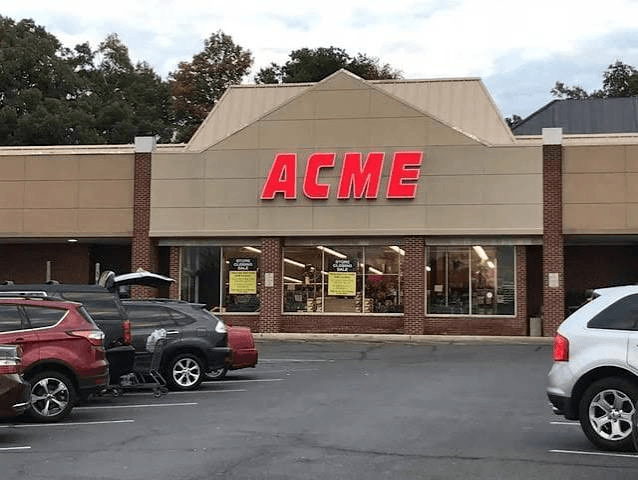

When a local Acme store shuts its doors, it’s easy to assume the whole chain is going under. Neighbors talk, social media posts spread fast, and suddenly everyone is asking the same question: is Acme going out of business?
The short answer is no — but the longer answer is more useful. A single store closing is not the same thing as a company collapsing. And in Acme’s case, there’s another layer of confusion: there are actually three separate companies using the Acme name, and news about one has nothing to do with the others.
This article breaks down which Acme is which, what recent closures actually show, why lease expirations drive most of these decisions, and what employees and customers should do when they hear these rumors.
There Are Three Different Companies Named Acme — And They Are Not Related
Most of the confusion around “Acme going out of business” starts here. When people search that phrase, they could be asking about three completely different businesses.
Acme Markets
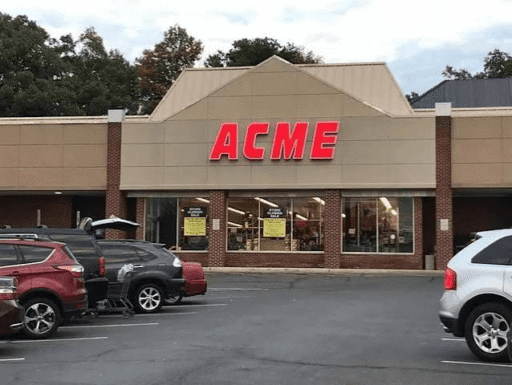
This is the largest of the three and the one most people in the Northeast are thinking about. Acme Markets is a supermarket chain owned by Albertsons Companies, one of the biggest grocery conglomerates in the United States. It operates primarily in New Jersey, Pennsylvania, Delaware, and Maryland.
If you live in the Mid-Atlantic region and your local Acme is closing, this is the company involved.
Acme Fresh Market
This is a completely separate, independently owned chain based in Akron, Ohio. It’s operated by The Fred W. Albrecht Grocery Company, has roughly 15 locations across Northeast Ohio, and was founded in 1891. It has no connection to Albertsons or Acme Markets.
If you’re in Ohio and searching about Acme, you’re asking about a different company entirely.
Acme Smoked Fish
This is a Brooklyn-based seafood producer. It recently exited its direct-to-consumer e-commerce channel — which generated some headlines — but it’s a food manufacturer, not a grocery store chain. It has nothing to do with either supermarket brand.
News about any one of these three companies has no bearing on the other two. Readers in Ohio and readers in New Jersey are often asking about completely different businesses when they type the same search.
Recent Acme Closures That Sparked the Rumors
There have been real closures, and they’re worth understanding clearly. Here’s what has actually happened.
Edgewater, NJ — Acme Markets (Closing August 2026)
The Acme Markets store at Edgewater Commons is scheduled to close on or around August 15, 2026. Albertsons confirmed the closure and cited lease expiration as the reason. About 115 employees will be laid off or relocated as a result.
A Trader Joe’s is located nearby, giving local shoppers an alternative. But for those 115 workers, that’s not much comfort.
Stow, OH — Acme Fresh Market (Closed May 2026)
The Acme Fresh Market location in Stow, Ohio closed permanently in May 2026. The chain directed customers to its nearby Bailey Road location for pharmacy transfers and continued service. This is a separate company from Acme Markets — same name, different ownership, different state.
Manasquan, NJ — Acme Markets (Closed 2020)
The Manasquan Acme Markets store closed in 2020 after operating in that community for more than 50 years. Both an Acme spokesperson and the property management firm confirmed the closure was tied to lease expiration and non-renewal. The company didn’t leave because it was failing — the lease situation made staying impractical.
Earlier Closures and Layoffs
Acme Markets also closed five stores in the Philadelphia and South Jersey region in a previous wave of closures. Around the same period, approximately 900 workers across Pennsylvania, New Jersey, Delaware, and Maryland were laid off during a broader restructuring.
These numbers sound alarming, but each closure had a specific, documented reason. None of them represent a chain-wide collapse — they represent a company adjusting its store footprint over time.
Why Lease Expirations — Not Bankruptcy — Drive Most of These Closures
This is the part most news coverage glosses over, but it’s the most important detail for understanding what’s actually happening.
Grocery stores don’t own most of the buildings they operate in. They sign long-term commercial leases — sometimes 10, 20, or even 30 years. When a lease expires, both the retailer and the landlord have to decide whether to continue the arrangement.
In Edgewater, Albertsons lost the lease. The company didn’t choose to exit the market as part of some strategic retreat — it lost its legal right to keep operating at that address. That’s a meaningful distinction.
In Manasquan, Acme chose not to renew. That’s a business decision based on whether the location makes financial sense at current rent levels and projected revenue. In high-rent areas like the New Jersey waterfront, landlords often have better options — different tenants, redevelopment projects, or uses that generate higher returns.
Think of it like a small business tenant leaving a rented office when the lease ends. The business doesn’t disappear. It just no longer operates from that address.
Philadelphia Magazine reported that industry observers expected Acme to shed stores “one or two at a time” as leases expire or sale opportunities come up. That framing matters: it describes a slow, managed restructuring — not a company in freefall.
What “Going Out of Business” Actually Means — And What This Isn’t
The phrase “going out of business” has a specific meaning. It means a company is shutting down entirely — liquidating assets, closing all locations, and ceasing operations. That typically involves bankruptcy filings, liquidation sales, or a formal announcement that the company is dissolving.
None of that has happened with Acme Markets or Acme Fresh Market. What has happened is selective store closures, workforce reductions at specific locations, and portfolio adjustments driven by lease decisions and market conditions.
There’s also a good example of how headlines can mislead. When Acme Smoked Fish exited its direct-to-consumer e-commerce channel, that generated news coverage that could easily be read as “Acme is shutting down.” But it wasn’t. The company stopped selling directly to consumers online — it didn’t close its manufacturing operation or exit the market entirely. That’s a strategic business decision, not a collapse.
The same logic applies to grocery store closures. Closing one location is not the same as closing the company.
How Rumors Spread — And What to Actually Trust
Local anxiety about store closures is understandable. When a grocery store that has served a community for decades shuts down, people worry. They post on Facebook groups, they ask neighbors, and they search online.
In Sussex, NJ, for example, community members were asking whether their local Acme was closing. Local residents responded that there was no evidence of closure, and noted that the proposed Kroger-Albertsons merger had been blocked, leaving Acme operating as normal. That kind of community conversation isn’t a reliable official source — but it illustrates how quickly concern spreads even when nothing is confirmed.
Social media speculation is not corporate information. It reflects community anxiety, not business reality.
If you want to know whether a specific Acme store is closing, here’s what actually works:
- Check your state’s WARN Act notices. When a company plans layoffs of 50 or more workers, they’re required to file advance notice. These are public records.
- Look for statements from Albertsons (for Acme Markets) or The Fred W. Albrecht Grocery Company (for Acme Fresh Market).
- Check local news from established outlets — not Facebook posts or unverified social media accounts.
- Call the store directly if you want a straight answer about its current status.
What Employees and Customers Should Do With This Information
If you work at an Acme store, watch for official communication from your employer. In the Edgewater case, Albertsons indicated that affected staff would either be laid off or relocated. That’s not ideal, but relocation offers are worth evaluating carefully — especially if you have seniority or specialized skills the company values.
State WARN notices give advance warning, usually 60 days. If your store files one, that’s a concrete signal to start exploring other options. Don’t wait for the final week.
If you’re a customer losing a nearby location, check whether a neighboring Acme is accessible. In both the Stow, Ohio and Manasquan, NJ closures, the chain directed customers to nearby locations. You may also want to assess what other grocery options exist in your area — the Edgewater closure, for instance, left a Trader Joe’s nearby.
For business owners and managers watching this situation, it’s a useful reminder that commercial lease decisions can have significant ripple effects. Whether you’re a supplier, a neighboring tenant, or a local employer, a grocery anchor store closing can change foot traffic patterns in ways that affect your business too. Staying informed through Lead Business Mag and other reliable sources helps you plan ahead rather than react after the fact.
The Bottom Line
Acme Markets is not going out of business. Acme Fresh Market is not shutting down its entire chain. And Acme Smoked Fish exiting one sales channel is a business pivot, not a collapse.
Read Also this: