
Rumors about Color Street shutting down have been floating around for years. Ex-stylists have quit publicly, a retail brand vanished from Walmart shelves, and anti-MLM YouTube videos have painted a grim picture. But rumors are not facts, and the two are worth separating before drawing any conclusions.
This article covers what the evidence actually shows about Color Street’s current status, what caused the confusion, what the real risks look like for stylists and customers, and how to check a company’s stability yourself.
Color Street’s Current Operating Status
Let’s get straight to the point: as of the latest available information, Color Street is still an active business.
The Better Business Bureau lists Color Street, LLC at 61 Kuller Road in Clifton, New Jersey, with normal business hours of Monday through Friday, 9am to 5pm. The BBB profile shows seven years in business, a working phone number, and no indication of closure.
MLM review and analysis sites, including Center for Work Life, continue to cover Color Street as an ongoing opportunity in 2025. There are no credible reports of bankruptcy filings, dissolution notices, or official announcements of closure.
One important distinction: individual stylists choosing to quit is not the same as the company closing. Those are two very different things, and a lot of the confusion online mixes them up.
What Color Street Actually Is and How It Operates
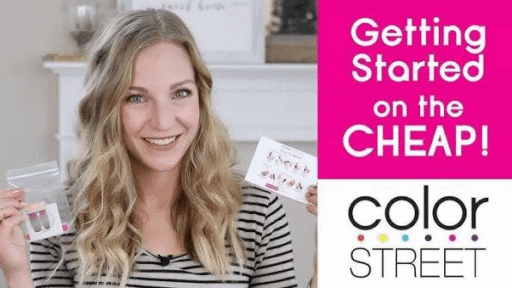
Color Street was founded in 2017 by Fa Park in Clifton, New Jersey. The company sells nail polish strips through a direct sales model, meaning independent contractors called “stylists” handle most of the selling.
It operates as a multi-level marketing company. Stylists earn money through product sales, commissions, and by recruiting other stylists into their downline. The structure is typical of MLMs in the beauty and wellness space.
The company grew quickly in its early years. By 2019, Color Street reportedly generated over $120 million in revenue and had more than 6,000 consultants. That kind of growth is not unusual for an MLM in its launch phase, though it often slows as the market becomes saturated.
Before Color Street, Fa Park founded Incoco in 2007. Incoco sold nail appliqués through retail giants like Walmart and Ulta. That history is important for understanding one of the main sources of confusion about Color Street’s future.
Why the Incoco Phase-Out Caused Confusion
In January 2021, Fa Park announced that the Incoco and Coconut brands would be pulled from retail shelves, including Walmart and Ulta, by April 2021. For people who had been buying those products at the store, this felt alarming.
The reason given was straightforward: consolidate focus on Color Street as the flagship direct-sales brand. In other words, it was a deliberate business decision to stop splitting attention between a retail brand and an MLM brand.
But many customers and observers saw Incoco disappearing and assumed Color Street was also in trouble. That interpretation was wrong. Incoco ending its retail run was a brand consolidation move, not a warning sign of financial collapse.
Think of it this way: if a restaurant closes its food truck to focus on its main location, that doesn’t mean the restaurant is going under. It means they are choosing where to put their energy.
Real Reasons Stylists Are Walking Away
A quick search turns up plenty of “Why I Quit Color Street” posts from former stylists. These are real, and the frustrations behind them are legitimate. But they reflect individual business experiences, not corporate failure.
High dropout rates are common across every MLM. The company can keep operating while thousands of reps quietly stop selling. The reasons stylists leave are usually the same ones that show up in any MLM:
- Minimal net income after inventory costs and time are factored in
- Burnout from constant social selling and online parties
- Market saturation — too many stylists in the same area or social circle
- Difficulty recruiting new members as interest levels off
The income picture is worth understanding clearly. Analysis of Color Street’s income disclosure data suggests that around 54% of stylists earn income close to poverty level on an annual basis. That’s not unique to Color Street — it reflects the economics of MLM participation broadly — but it does mean the opportunity doesn’t work out financially for most people who try it.
A former stylist writing on Easy Style with Sami described quitting after factoring in the time, emotional energy, and cost of inventory. Her experience mirrors what many others have shared: the company itself wasn’t collapsing, but running the business personally wasn’t worth it.
A simple analogy helps here. Gyms lose members constantly — people sign up, stop going, and cancel. But the gym doesn’t close just because individuals quit. Color Street is in a similar position: significant attrition at the individual level, but the corporate entity continues to function.
What Actual Business Closure Red Flags Look Like
If you want to evaluate whether any company — not just Color Street — is genuinely at risk of closing, here’s what to watch for:
- Orders stop shipping. Customers report that purchases are going unfulfilled and there’s no communication from the company.
- Website and social channels go dark. The company stops updating its site, social media goes silent, and contact info disappears.
- Bankruptcy or dissolution filings appear. These are public records and show up in legal databases and news coverage.
- Corporate communications mention liquidation or restructuring. Actual closure usually comes with some official statement, even if vague.
- BBB or state business registrations lapse. Active registrations are a basic but useful signal that a company is still operating.
None of these signals currently apply to Color Street. The BBB profile is active. The company website is live. There are no public bankruptcy or dissolution filings to point to. Criticism and stylist departures are not the same as these concrete warning signs.
Compare this to what actually happened when companies like Beachbody rebranded or certain smaller MLMs folded — there were clear operational changes, announcements, or legal filings involved.
What This Means for Customers and Stylists Right Now
If you are a customer who buys Color Street nail strips, the current evidence suggests the company is still operating and fulfilling orders normally. That said, it is always smart to avoid ordering large quantities from any direct-sales company if you are uncertain about its future, since the landscape can change.
If you are considering becoming a stylist, the more important question is not whether Color Street is going out of business. The more important question is whether the business model will work financially for you personally.
Given that most MLM participants earn little after costs, and that Color Street’s income disclosures point to low earnings for a majority of stylists, the risk here is about the economics of MLM participation — not imminent corporate collapse. Before joining, review the income disclosure statement carefully. Understand what you would need to spend on inventory, how you would find customers, and what your realistic income ceiling looks like.
For more straight-talk analysis on business decisions like this, Lead Business Mag covers topics like evaluating business opportunities, understanding risk, and making smarter financial calls as an entrepreneur or side-hustler.
It is also worth noting that as of available coverage, there are no major lawsuits or regulatory actions from bodies like the FTC against Color Street. That doesn’t mean the business model is without criticism — it’s been called out repeatedly for low earnings and recruitment culture — but it is a different thing from being under legal threat.
How to Verify a Company’s Stability on Your Own
Whether you’re evaluating Color Street or any other direct-sales company, here’s a practical checklist:
- Check the BBB profile for active status, contact info, and complaint history.
- Search for bankruptcy filings in public court records or legal news sources.
- Look for recent official announcements from the company — changes in leadership, brand consolidation, or restructuring notices.
- Search the company name alongside terms like “closed,” “bankrupt,” or “shutdown” and check the date of results carefully. Old rumors often recirculate as if they are current news.
- Separate individual rep complaints from evidence of corporate problems. A stylist saying “I quit” is not the same as the company going under.
This process takes about 15 minutes and gives you a much clearer picture than social media posts or YouTube commentary alone.
The Bottom Line
Color Street is not going out of business based on the evidence currently available. The company is still operating out of Clifton, New Jersey, fulfilling orders, and listed as an active business across standard platforms.
The confusion comes from a few real but misread signals: the Incoco retail phase-out in 2021, a wave of stylists leaving publicly, and anti-MLM content that blends legitimate criticism of the business model with predictions of collapse.
The more accurate picture is this: Color Street is a functioning company with a business model that does not work out financially for most of the people who join as stylists. Those are two separate issues. One is about corporate viability. The other is about personal business risk. Understanding the difference helps you make smarter decisions — whether you are a customer, a current stylist, or someone thinking about joining.
Read Also this: