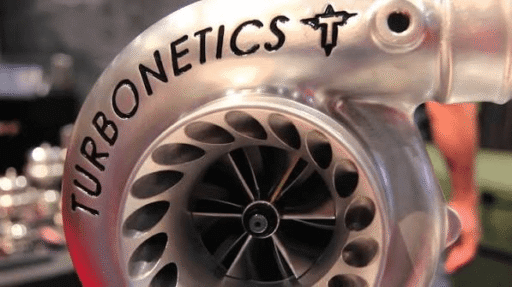
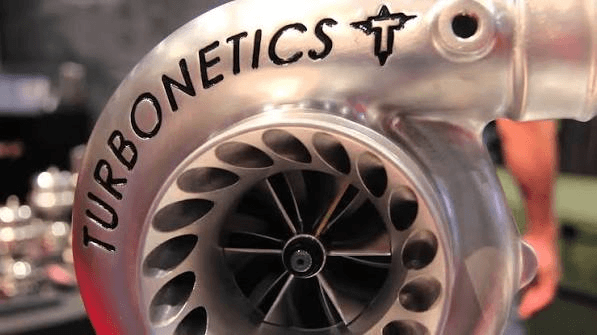

Turbonetics spent decades building a real reputation in the performance turbocharger world. Tuners trusted the brand. Shops built kits around it. For a long stretch, it was one of the names you’d see pop up on Honda builds, diesel trucks, and drag cars alike.
But lately, searching for Turbonetics raises more questions than it answers. Forum threads ask if the company still exists. Retailers show limited stock. Some buyers report that calls and warranty requests go nowhere.
So what’s actually going on? This article breaks down what we know, what we don’t, and what it means for anyone who owns Turbonetics hardware or is thinking about buying it.
Turbonetics’ Place in the Performance Aftermarket
Turbonetics wasn’t a massive OEM supplier like Garrett or BorgWarner. It was a niche performance manufacturer — the kind that enthusiasts actually cared about by name.
The brand covered popular platforms including Honda, Nissan, Ford, GM, and diesel trucks. It sold more than just bare turbines too. Full kits with turbos, intercoolers, and manifolds made it a one-stop option for builders who wanted a complete setup.
Through the 1990s and into the 2010s, Turbonetics had a genuine following. Enthusiast forums from that era treated it as a serious option alongside other respected brands. That kind of community trust takes years to build, and Turbonetics had it.
That context matters, because it makes the current situation more striking. This wasn’t a fly-by-night operation. Something changed along the way.
What “Going Out of Business” Actually Means — and Why This Case Is Less Clear
Before calling any brand dead, it helps to be precise about what that actually means in a business sense.
A true business closure involves formal steps: bankruptcy filings, dissolution records with the state, or an official public announcement. As of now, there is no widely documented bankruptcy or confirmed closure statement for Turbonetics. That doesn’t mean things are fine — but it does mean the situation is more complicated than a simple shutdown.
What appears to be happening is closer to brand dormancy. The company may still exist as a legal entity, but customers can no longer rely on it for active product development, consistent stock, or reliable support. Think of it like a dormant volcano — it hasn’t officially gone extinct, but you wouldn’t plan a camping trip near the crater.
This pattern is common in niche performance manufacturing. Brands quietly stop active development. They get absorbed into a parent company. They continue as a label for legacy parts or occasional limited runs, without ever making a formal exit announcement.
The responsible way to describe Turbonetics right now is: limited public activity, brand appears dormant, support and new product development are unclear. Not bankrupt. Not dissolved. But also not actively operating the way it once did.
If you want the most objective answer, look up business registration filings in the state where Turbonetics is incorporated. State corporate registry databases will tell you whether the entity is active, suspended, or dissolved. That’s the cleanest verification step available.
The Visible Signs That Led to This Question
Even without a formal announcement, there are concrete, observable reasons people are asking about Turbonetics’ status.
- Website and social media activity has been thin. Long gaps without updates are a real signal in an industry where active brands constantly announce new products and engage their communities.
- Fewer new product launches. Competitors regularly release updated compressor maps, new turbine housing options, and revised kits. Turbonetics has been quiet by comparison.
- Reduced presence at industry events. Brands that are healthy show up at SEMA and PRI. Searching recent exhibitor lists for Turbonetics turns up little.
- Retailer stock is telling. Major distributors are listing Turbonetics products as backordered, discontinued, or simply out of stock. When a supplier goes quiet on the retail side, that’s a market signal worth taking seriously.
- Customer service issues. Forum users report difficulty reaching anyone at Turbonetics for warranty claims or technical questions. Some resellers have started offering their own limited warranties on Turbonetics products specifically because factory backing is uncertain.
That last point is significant. When resellers start self-insuring against the manufacturer’s reliability, the market is telling you something directly.
Why Brands Like Turbonetics Lose Market Visibility
This kind of decline rarely has a single cause. It’s usually several things compounding over years.
Technology Gaps
Modern turbos feature ball-bearing cartridges, billet compressor wheels, and improved aerodynamic profiles. Older designs that haven’t been updated can’t match the spool response and efficiency of current hardware. If a brand doesn’t invest in keeping up, it slowly becomes the less attractive option on a spec sheet.
Competitive Pressure
Garrett Motion, BorgWarner, Precision Turbo, Forced Performance, and a growing number of boutique builders have all expanded their offerings. Some of them have also gotten better at marketing directly to enthusiasts. That makes it harder for a quieter brand to hold shelf space — literal or digital.
Platform Risk
If a brand built most of its business around certain platforms from the 1990s and early 2000s, those platforms age out of active tuner culture over time. A narrowing customer base is hard to sustain a business on.
Corporate and Ownership Changes
Acquisition or restructuring often results in a brand being absorbed into a larger entity, with product lines consolidated and marketing under the original name scaled back. The brand name survives, but active investment behind it doesn’t. This is one of the most common ways a once-visible name quietly disappears from the market without a formal closure.
Economic Sensitivity
Performance parts are discretionary spending. Recessions and fuel price spikes hit this segment hard. A smaller manufacturer without deep reserves has less room to ride those cycles out.
What This Means for Current Owners
If you already have Turbonetics hardware installed, the practical picture looks like this:
Warranty support is likely limited or unavailable. Don’t plan around receiving factory warranty service. If something fails, you’ll probably need to work through a third-party rebuilder.
Parts are still serviceable in many cases. Turbonetics turbos share enough design DNA with common compressor and turbine configurations that independent rebuild shops can often source compatible bearings, seals, and wheels. A local turbo specialist may be more useful than trying to reach the manufacturer directly.
Community knowledge is still strong. Forums, YouTube build threads, and tuner communities have documented Turbonetics hardware extensively. That institutional knowledge doesn’t disappear just because the brand goes quiet.
To take one practical example: a shop that built a Honda turbo kit around a Turbonetics unit years ago finds the turbo needing a rebuild today. The original company is difficult to reach, but a turbo rebuild specialist sources compatible generic components and gets the unit back to spec. The hardware is still usable — the brand just isn’t the support network it once was.
What New Buyers Should Do
If you’re building something new and considering Turbonetics hardware from surplus or clearance stock, think carefully before committing.
The price might look attractive. But factor in the real costs: limited warranty coverage, uncertain parts availability down the road, and reduced technical support from the manufacturer. For a daily-driven performance build or anything you’re counting on for reliability, that risk profile is harder to justify.
Brands like Garrett, Precision Turbo, and BorgWarner have active engineering teams, verified distribution networks, and consistent technical support. For new builds, that support structure has real value — especially when you’re troubleshooting at 11pm before a track day.
That doesn’t mean Turbonetics hardware is worthless. Existing units in good condition can still perform well when properly maintained. But buying new into an uncertain supply chain is a different calculation.
For more practical guidance on evaluating businesses and brands in the performance and specialty manufacturing space, Lead Business Mag covers the patterns that matter for real business decisions.
The Bottom Line
Turbonetics built something real over several decades. The brand had genuine standing in a competitive niche, and a lot of quality hardware wearing its name is still out there running well.
But the visible signs — thin retailer stock, limited new product activity, customer service difficulties, and reduced industry presence — paint a clear enough picture. Whether the company is technically still registered or has been absorbed into a parent structure, it is not actively supporting customers the way a healthy manufacturer does.
For existing owners: maintain what you have, lean on independent rebuilders, and use community resources. For new buyers: weigh the uncertainty against the price difference, and consider brands with demonstrably active support behind them.
The honest answer to “is Turbonetics going out of business?” is this — it may not have formally closed, but for practical purposes, customers can no longer count on it as an active, responsive manufacturer. That distinction matters when real money and real builds are on the line.
Read Also this: