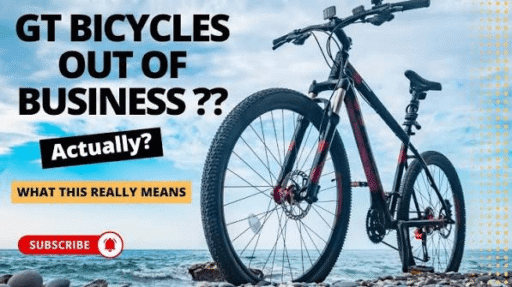
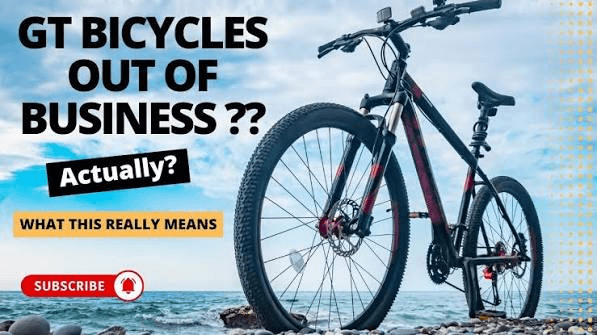

GT Bicycles has over 40 years of history in BMX and mountain biking. So when news broke in late 2024 that the brand was stopping new product releases and clearing out inventory, it hit the cycling community hard. Some headlines declared GT “done.” The company called it a “strategic pause.” Neither version gives you the full picture.
Here’s what actually happened, what the corporate language means in plain terms, and what it means for owners, dealers, and anyone thinking about buying a GT bike right now.
What GT Bicycles Actually Announced
On December 18, 2024, GT confirmed it would pause new product releases indefinitely. The plan: sell through existing inventory during 2025, then stop. No new bikes are being designed or launched.
Alongside the product pause, significant layoffs were confirmed before the end of the year. Sponsored riders also received contract terminations. One long-time GT athlete publicly posted a farewell video after 38 years with the brand, calling the decision “very sad.”
Here’s the important part: GT has not filed for bankruptcy. The company entity still exists under its parent company, Pon Holdings. There is no legal dissolution happening. But operationally, the brand has largely gone dark.
“Strategic Reorientation” vs. Going Out of Business — What the Difference Actually Means
GT’s managing director Jason Schiers used phrases like “strategic reorientation,” “core strengths,” and “long-term growth” in official statements. That kind of language is standard when a company is under pressure and doesn’t want to use the word “shutdown.”
So what does it actually mean? No new bikes. No active design team. A much smaller workforce. No public timeline for any kind of return. That looks like a shutdown to most observers — and outlets like BikeRumor, Escape Collective, BikeMag, and BikeRadar have described it in roughly those terms, despite the official framing.
The clearest way to think about it: imagine a store that stops ordering new stock but keeps selling whatever’s left on the shelves while honoring warranties through a parent company. The lights are still on in a technical sense, but nobody’s restocking the shelves. Another analogy: a TV show put on “indefinite hiatus.” Not officially cancelled on paper, but off the air with no return date.
The legal difference between a corporate shutdown and an operational brand pause under a large conglomerate is real — but for most people buying or riding bikes, the practical result feels the same.
GT’s Corporate History Explains Why This Happened
GT was founded in 1979 and built its reputation in BMX racing, mountain biking, and road cycling. Its Triple Triangle frame design became one of its most recognized features. For decades, GT was a serious player in the industry.
Ownership changed multiple times over the years. GT eventually landed inside Pon Holdings, a large Dutch conglomerate that also owns Cannondale, Schwinn, and Mongoose, among others. Within that structure, GT was separated from Cycling Sports Group and Cannondale to operate as its own stand-alone Pon brand — at one point growing its dedicated team from 8 to 23 employees, which at the time looked like a growth play.
Then the broader bike industry hit a rough patch. The post-COVID boom created a demand surge, followed by an inventory glut and serious margin pressure across the sector. GT wasn’t alone — multiple brands restructured during this period. But GT’s position as a smaller brand inside a large portfolio made it vulnerable when Pon Holdings needed to make hard resource allocation decisions.
It’s worth noting that some longtime cycling enthusiasts argue the “original” GT effectively ended around 2005 after earlier ownership changes. For that group, the 2024 announcement feels like a second ending rather than a first. That debate is real in the community, and it shapes how people emotionally respond to the news — but it doesn’t change the current facts.
What This Means for Current GT Bike Owners
If you own a GT bike, the most immediate question is: what happens to your warranty and parts support?
According to GT and confirmed by sources including Mountain Bike Action and a Bicycle Retailer and Industry News statement, warranty and customer service will be handled by Cycling Sports Group, the broader Pon Holdings structure. So existing owners are not immediately left without any support at all.
Parts availability is a different story. No new model-specific components will be developed. As long as aftermarket inventory and dealer stock hold out, you’ll be able to find parts — but that window will shrink over time, especially for newer or more specialized models.
Resale value may also soften. As GT’s visibility drops and buyer confidence in the brand’s future declines, used GT bikes could fetch less on the secondary market. That’s not a crisis for someone riding their bike rather than treating it as an asset — but it’s worth knowing.
The bottom line for owners: your bike doesn’t suddenly become a paperweight. But the innovation, updates, and community momentum that keep a brand relevant will stall.
What This Means for Dealers and Anyone Buying Now
For bike shops carrying GT, the practical move is straightforward: discount the current lineup to move stock, then reallocate floor space to other brands once GT inventory is gone. Some dealers may shift toward other Pon brands like Cannondale, or move to competitors entirely. Long-term service familiarity with GT models may fade as local retailers deprioritize the brand.
If you’re considering buying a GT bike right now, there are two sides to that decision.
On the positive side, remaining inventory may be discounted as dealers look to clear stock. GT bikes are well-built machines with solid heritage. And warranty support through Cycling Sports Group does exist.
On the other side: no new models are coming. The brand’s future is genuinely uncertain. Resale value may decline. And community support — forums, group rides, local shops stocking parts — will likely shrink over time.
Whether that’s a value play or a long-term risk depends on what you’re buying and why. A GT bike bought for trail riding over the next few years is a reasonable purchase if the price is right. Buying one as a long-term investment in a brand ecosystem is a different calculation.
Could GT Come Back?
Official statements from GT and Pon Holdings mention a “next chapter” and “long-term growth,” which implies the door isn’t permanently closed. But there is no concrete plan, no public roadmap, and no timeline.
It’s possible that Pon Holdings keeps GT as an intellectual property asset — a dormant brand that could be revived if market conditions shift or if a new strategy emerges. That happens with brands across industries. It’s also possible GT stays on indefinite pause for years and quietly fades further.
Anyone telling you definitively which way it goes is speculating. The honest answer is: nobody outside Pon Holdings’ boardroom knows.
For more practical coverage of business decisions affecting companies and consumers, visit Lead Business Mag.
The Bottom Line
GT Bicycles is not going out of business in the legal sense. No bankruptcy has been filed. The company entity continues under Pon Holdings. But in every practical sense that matters — new products, active staff, sponsored athletes, dealer pipeline — the brand has stopped functioning.
Calling it a “strategic pause” is accurate in a narrow corporate sense. Calling it the end of GT as an active brand is also accurate in practical terms. Both things can be true at once.
If you own a GT, your support isn’t gone overnight. If you’re a dealer, plan for the inventory to be the last of it. And if you’re watching to see whether GT comes back — so is everyone else.
Read Also this: