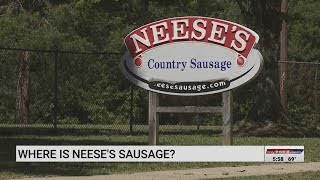

If you’ve walked through the breakfast meat aisle recently and noticed Neese’s products missing, you’re not imagining things. Shelves went empty, the company website went dark, and Google started showing “permanently closed” on Neese’s listing. For loyal customers across North Carolina, it looked like the end of a brand they’d been buying for generations.
But here’s the short version: Neese’s is not going out of business. What happened is more complicated than a simple shutdown — and more hopeful than most people realize. This article breaks down exactly what caused the disruption, who now owns the company, and what consumers can expect going forward.
Neese’s Sausage Is Not Going Out of Business
Let’s get straight to the point. Neese’s Country Sausage is not permanently closing. Production paused for a significant period due to regulatory and facility problems, but the brand survived.
In June 2026, a Raleigh-based company called Jesse Jones Food Company announced it had acquired Neese’s. The new owners — the White family, who already operate Jesse Jones, an established regional meat brand — have stated publicly that Neese’s products will return to store shelves and restaurant kitchens across the region.
The products people know best — Neese’s sausage, livermush, and liver pudding — are all expected to come back. A redesigned Neese’s website is already live at neesesausage.com, which is a concrete sign that this is an active relaunch, not a wind-down.
The White family brings existing production and distribution infrastructure to the table, which matters. They’re not starting from scratch. They’re taking over an established brand and working to get it back to where it was.
What Triggered the Production Shutdown
The trouble started in September 2025. The USDA’s Food Safety and Inspection Service (FSIS) issued a Notice of Suspension for part of Neese’s Greensboro facility. The trigger was a positive test for Listeria monocytogenes on the ready-to-eat production line — the side of the plant that makes livermush and liver pudding.
At first, the raw sausage line was allowed to keep running. Ready-to-eat and raw products have different regulatory requirements, so they were treated separately at the start. But eventually, the entire plant paused operations.
Here’s where things got stuck. After the suspension, Neese’s did not request FSIS inspectors to return to the facility to verify that the problems had been corrected. Under federal law, a meat plant cannot legally resume production without FSIS inspectors on site. The USDA confirmed this directly. The plant was idle not because it was abandoned, but because the formal process to restart never moved forward.
On top of the regulatory issue, the facility reportedly suffered a roof collapse. That added another layer of operational setback to an already difficult situation. Combined, these problems kept production offline for months and left store shelves bare.
Why Ready-to-Eat Meat Faces Stricter Rules Than Raw Sausage
To understand why a Listeria finding on one production line caused such a significant halt, it helps to know how federal food safety rules actually work for meat products.
Raw sausage gets cooked before you eat it. That cooking step kills pathogens, including Listeria. So there’s a safety checkpoint built into the process — your stove or skillet is part of the protection.
Ready-to-eat products like livermush and liver pudding are different. They’re already fully cooked at the plant and sold ready to eat or heat briefly. There’s no high-temperature kill step in your kitchen. If Listeria is present when the product leaves the facility, it can reach consumers directly.
That’s why FSIS applies much stricter controls to ready-to-eat lines. Plants must have formal Listeria control plans built into their HACCP programs. When an environmental test in a critical area comes back positive, the affected line is suspended immediately. Before it can run again, the plant has to prove — through cleaning, corrective action, environmental retesting, and on-site inspector verification — that the contamination is under control.
Think of it like a restaurant that fails a health inspection. The restaurant doesn’t disappear — it has to fix the cited problems and pass a re-inspection before it can reopen. Neese’s situation was similar, just at the manufacturing scale with federal inspectors rather than county health officials.
How Google’s “Permanently Closed” Label Spread the Wrong Story
It’s worth addressing this directly, because a lot of people saw “permanently closed” on Google and stopped looking further.
Google’s business status labels are not always accurate or current, especially when a business goes through a production pause, ownership change, or extended closure. When Neese’s products disappeared from shelves, the website went offline, and the facility stopped running, Google’s algorithm flagged the listing accordingly. That label then became the story for many people who didn’t dig deeper.
But local reporters who visited the Greensboro plant during this period saw workers still on site. No WARN notice — the legal filing required when a company plans mass layoffs or a plant closure — had been filed with the state. Those are two meaningful signals that a permanent closure was not what was happening.
The empty shelves, the offline website, and the Google label all pointed in the same direction, but none of them were reliable indicators of a permanent business closure. They reflected a company in serious operational distress — not one that had shut down for good.
Who Bought Neese’s and What It Means for the Brand
The acquisition by Jesse Jones Food Company was announced in June 2026. Jesse Jones is a Raleigh-based meat brand owned by the White family, with an existing regional footprint in products like hot dogs and related items.
On the Neese’s side, the company had gone through its own internal transition before the sale. Tommy Neese III had previously changed the company’s official name from “Neese’s Country Sausage” to NCS Enterprises, Inc. The sale to the White family represents a full handoff — the brand moving out of Neese family ownership for the first time in its history, which stretches back to the early 1900s with formal incorporation in 1947.
The new owners have framed this as a stewardship transition. Their public statements focus on preserving the Neese’s brand and bringing its products back to the market. Whether the recipes remain exactly the same hasn’t been confirmed in specific technical detail, so it’s worth watching for product announcements rather than assuming everything will be identical.
What the White family does bring is real operational capacity — production infrastructure, distribution relationships, and regional brand experience. That’s not a small thing. Reviving a paused meat plant requires regulatory compliance work, facility updates, staffing, and supply chain coordination. Having an experienced operator behind the restart is a more realistic path to success than starting from zero.
When Will Neese’s Products Be Back on Shelves?
As of the June 2026 acquisition announcement, the new owners stated that production would start soon and that products should reach store shelves not long after. Specific dates were not confirmed in available reporting, so it’s reasonable to expect a gradual reappearance rather than an overnight return.
The redesigned neesesausage.com website being live already is a good practical indicator that the relaunch is moving. For Lead Business Mag readers who follow regional food brands, this kind of visible digital presence is usually one of the first steps a new owner takes before production resumes — it signals to retailers and consumers alike that the brand is active again.
If you want to know when Neese’s hits your local store, the most reliable approach is to watch the company’s website and social channels, check with your preferred grocery store’s meat department, or follow local North Carolina news outlets that covered the story closely.
What This Case Teaches About Food Brand Risk
Neese’s is a useful example of how quickly things can unravel for a regional food brand — and how brand equity can still rescue a company even after serious problems.
A single positive Listeria test on a ready-to-eat line triggered a regulatory suspension. The failure to follow through with the inspector reinstatement process let that suspension drag on. A roof collapse added physical damage to the regulatory problem. And a communication void — no updated website, no clear public statements — allowed incorrect information to fill the gap.
At the same time, the brand’s value was strong enough to attract a buyer. Jesse Jones didn’t acquire Neese’s because of its plant or its current production capacity. It acquired a name that loyal customers in North Carolina and surrounding states have trusted for decades. That kind of brand recognition is genuinely hard to build, and it’s why acquisition made more sense than letting the name fade away.
For any food or consumer goods business, the Neese’s situation is a reminder that regulatory compliance — especially for ready-to-eat products — isn’t just a legal checkbox. A single failed test can halt production for months and create lasting confusion among customers. The cost of maintaining strong food safety systems is almost always lower than the cost of rebuilding from a suspension.
The Bottom Line
Neese’s Sausage is not going out of business. Production stopped due to a USDA Listeria-related suspension and facility problems, but the brand has been acquired by Jesse Jones Food Company and is being revived under new ownership.
Neese’s sausage, livermush, and liver pudding are expected to return to shelves. The timeline is “soon” according to the new owners, with no specific date locked in publicly. If you’ve been a longtime customer, there’s genuine reason to think the brand will be back — just with different people running the operation.
Keep an eye on neesesausage.com and local North Carolina coverage for updates as production ramps back up.
Read Also this: